
Season & Weather Guide
Best Time for Kedarkantha Trek — Month-by-Month Guide
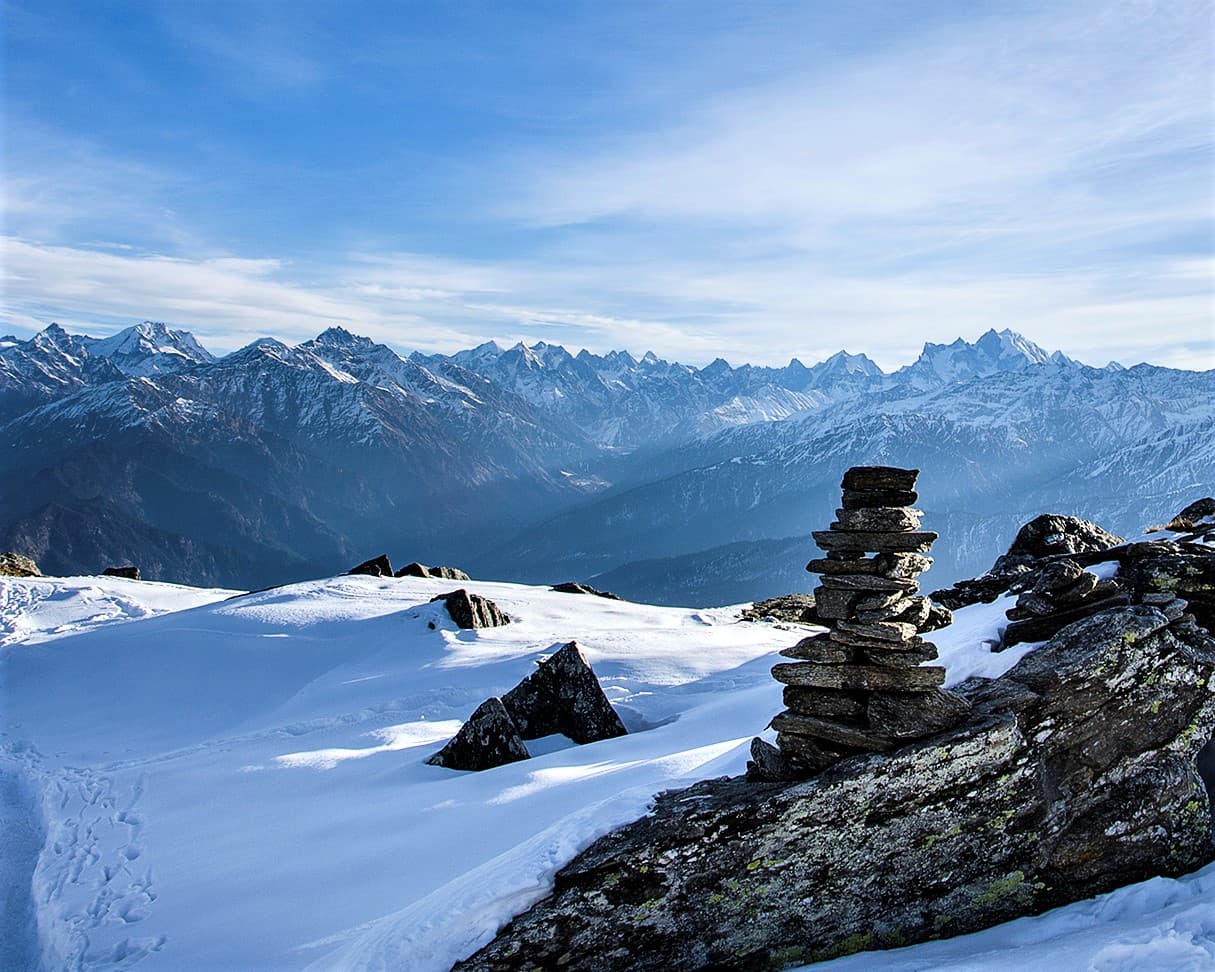
December to April is prime for Kedarkantha Trek — waist-deep snow covers the pine forest trail and campsites look stunning.
Seasonal Overview
Winter (December to March) for snow and the classic experience. May to June for green meadows and rhododendrons. Avoid July to September — monsoon makes trails muddy with poor visibility.
Check which operators run Kedarkantha Trek during peak season — view available batches and pricing
Peak Season
december, january
Off Season
july, august, september
Worth knowing
Key point
Kedarkantha is open almost year-round except monsoon — 9 recommended months out of 12. Each season is genuinely different: winter for snow, April–May for rhododendrons, October for the sharpest post-monsoon views. Pick based on what you want, not just availability.
Tip
October is the most underrated month — clearest skies of the year, best summit views, far fewer trekkers than December–January, and no microspikes needed. Ideal for first-timers who want views without winter complexity.
Caution
January summit nights drop to -10°C. A sleeping bag rated for -15°C is not optional — it is the difference between sleeping and surviving the night. Do not accept a bag rated above -10°C from rental shops in January.
Month-by-Month Trail Guide
January
RecommendedConditions
Peak snow. Juda Ka Talab fully frozen. Deep snow from Sankri to summit. Summit nights -10°C. Micro-spikes mandatory.
Crowds
high
Peak winter. Deep snow. Essential to carry heavy down layers.
February
RecommendedConditions
Consistent deep snow. Slightly less crowded than January. Cold but stable.
Crowds
medium
Consolidated snow. High summit success rates and clear sun.
March
RecommendedConditions
Snow melting below base camp. Trails slushy in lower sections. Upper sections still hold snow.
Crowds
low
Spring snow. Melting trail. Rhododendron bloom starts.
April
RecommendedConditions
Snow gone below 3000m. Rhododendrons blooming. Green and pleasant. Quiet trails.
Crowds
low
Greenery returns. Clear skies.
May
RecommendedConditions
Lush green meadows. Rhododendrons in full bloom. Pleasant temperatures. Very few trekkers.
Crowds
low
Pleasant summer trekking. Hazy air due to forest fires possible.
June
RecommendedConditions
Pre-monsoon. Last good window before rains. Warm days. Afternoon cloud build-up possible.
Crowds
low
Pre-monsoon. Warm days.
July
Conditions
Monsoon. Muddy and slippery trails. Leeches on lower sections. Views blocked by cloud.
Crowds
very low
Monsoon — slippery trails and no views
Monsoon risk. Leeches in forest. Landslide risk on road.
August
Conditions
Peak monsoon. Heavy rainfall. Trail conditions poor.
Crowds
very low
Peak monsoon — trail unsafe
Peak monsoon. Avoid for summit views.
September
Conditions
Monsoon clearing. Trails still wet. Weather unpredictable.
Crowds
low
Late monsoon — unstable weather
Lush post-monsoon green. Clarity returns.
October
RecommendedConditions
Clear skies post-monsoon. Best visibility of the year. Sharp views. Early snow possible above 3500m in late October.
Crowds
medium
Best air clarity for photography.
November
RecommendedConditions
First snowfall. Cold but beautiful. Snow from Juda Ka Talab upward.
Crowds
medium
Early winter snowfall.
December
RecommendedConditions
Snow from Sankri onwards. Juda Ka Talab beginning to freeze. Full winter experience begins. High crowds.
Crowds
high
Winter opening. Holiday crowds are extremely high.
Important Tips
Summit nights in January can drop to -10°C. Carry hand warmers and a sleeping bag rated for -15°C. Micro-spikes mandatory December through February — book rental at Sankri in advance during peak season.
Also on this trek
Timing makes or breaks a trek. Send this to your group before you decide.
Planning a 2026 trek?
Now that you know when to go, find the best local operators with availability for your preferred dates.
Check peak season packages